Life Won't Slow Down. Make Time Anyway.
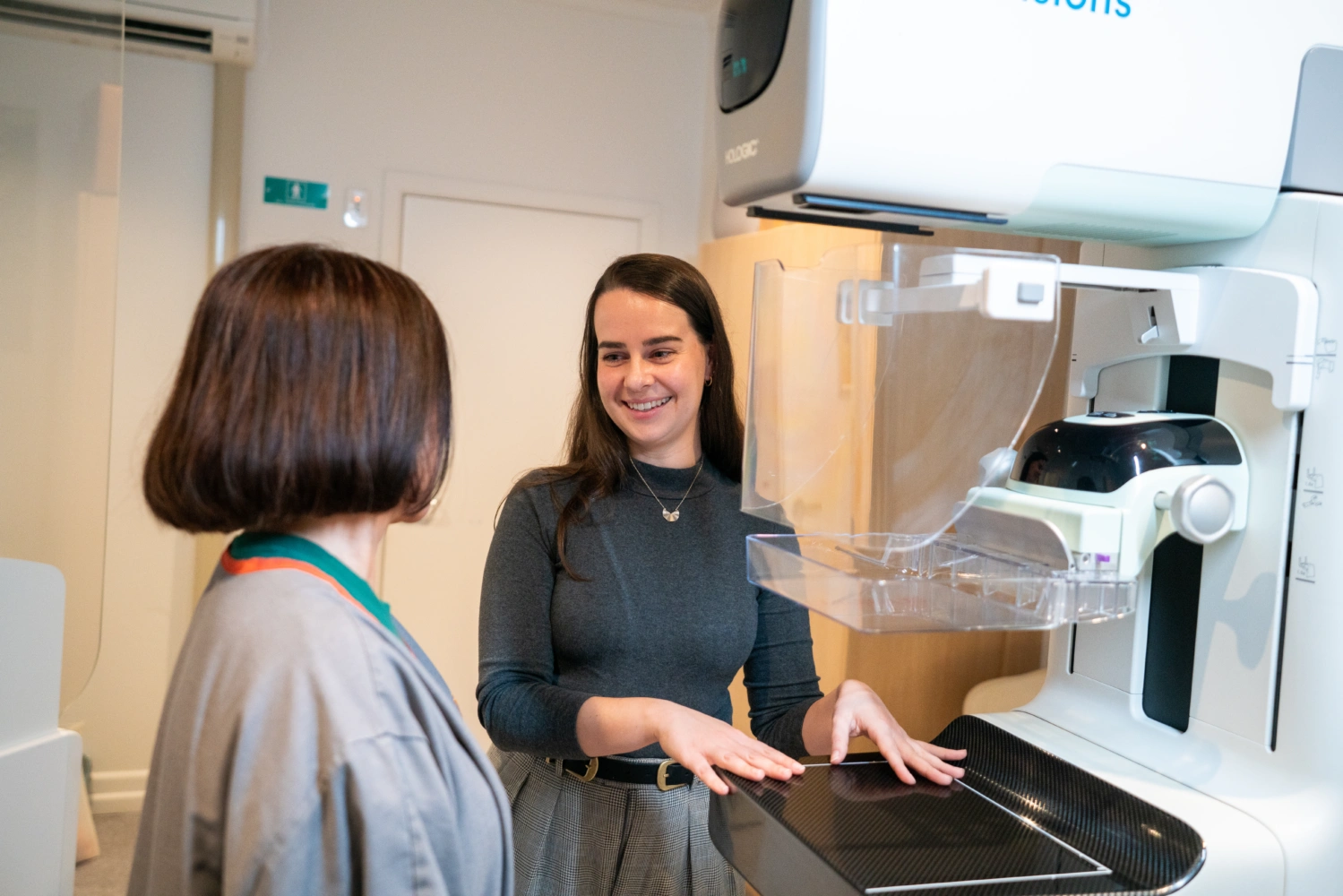
Take time for your breast health with one connected pathway, from screening through treatment.
Whether you're booking your routine mammogram or need further specialist surgical care, Allevia Radiology and Allevia Breast Institute provide coordinated breast care every step of the way.
Six (6) convenient locations across Auckland
Allevia Breast Institute, Epsom | Silverdale | Westgate | Rosedale | Botany | Pukekohe

Book your mammogram now
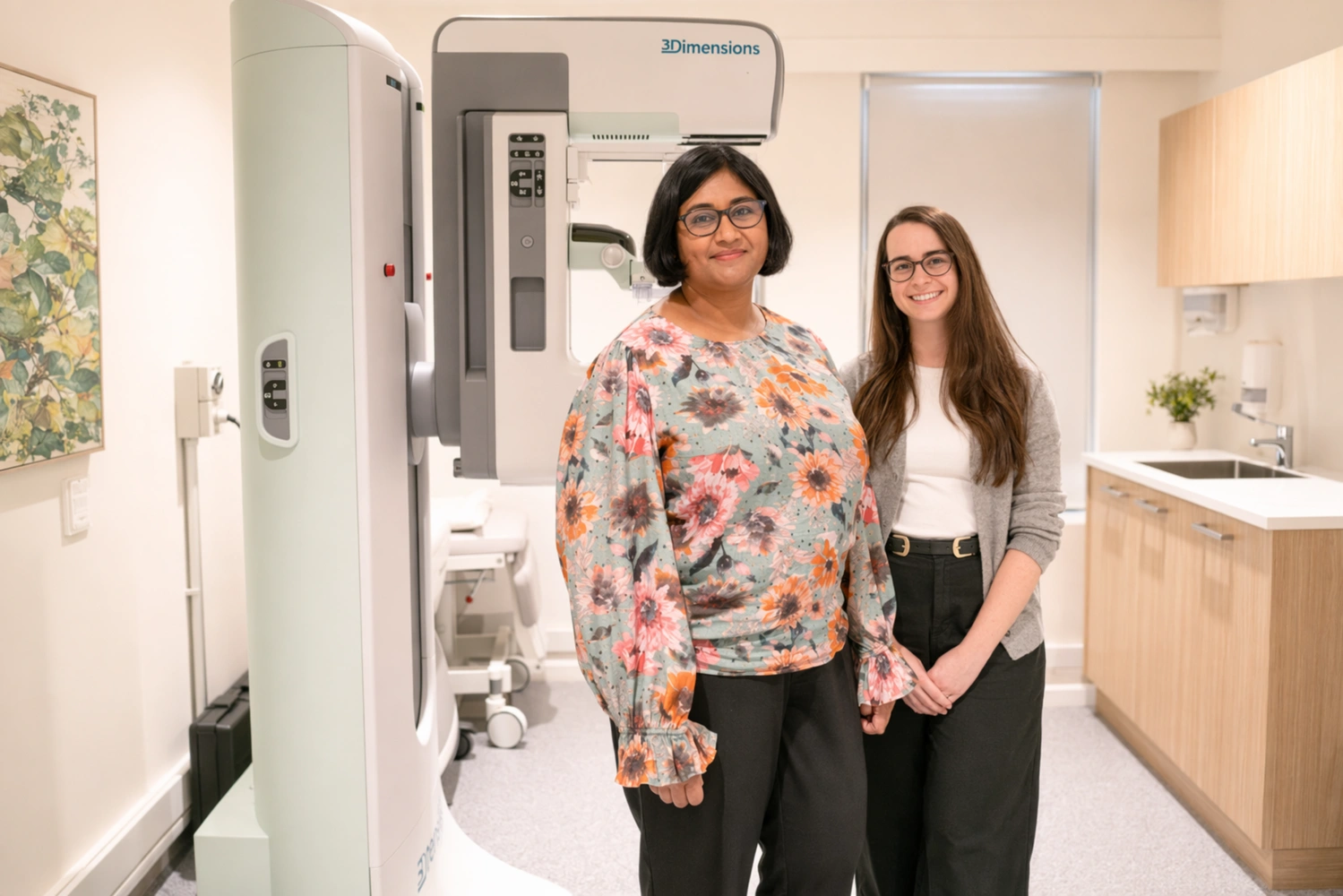
Why choose us for your breast care?
-
Your integrated breast care team
Allevia Radiology and Allevia Breast Institute bring together one of Auckland's most experienced multidisciplinary breast teams, including dedicated breast radiologists, specialist breast surgeons, breast care nurses, mammographers and allied specialists, seamlessly working together to coordinate every stage of care.
-
Advanced breast imaging
State-of-the-art technology with 3D mammography, breast density assessment, ultrasound, MRI, PET-CT and image-guided biopsy services.
-
Faster access to care
All radiologist-supervised mammograms receive immediate review, with personalised breast density assessment and supplementary screening as needed. Where possible, additional diagnostic imaging workup is completed on the day.
-
Accessible Auckland-wide
Convenient access to mammography across six locations in Auckland, connected to specialist surgical care at Allevia Breast Institute.
-
Compassionate, coordinated care
Clear communication and complete support from a connected multidisciplinary, highly experienced specialist team, helping you understand what happens next.
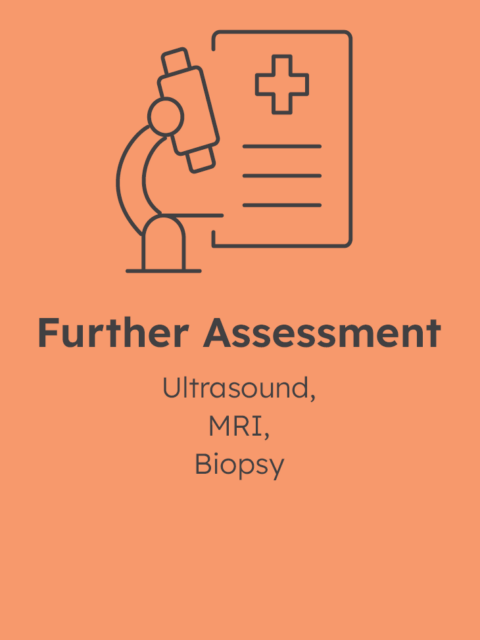
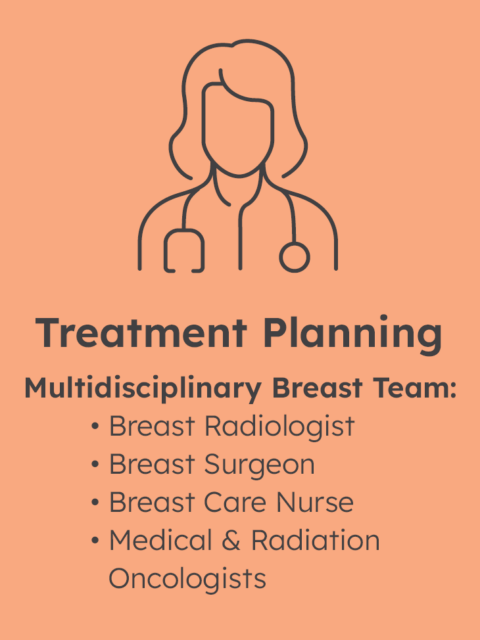
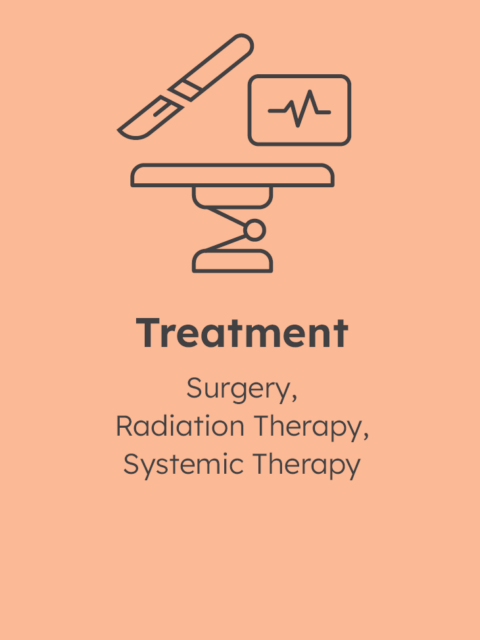
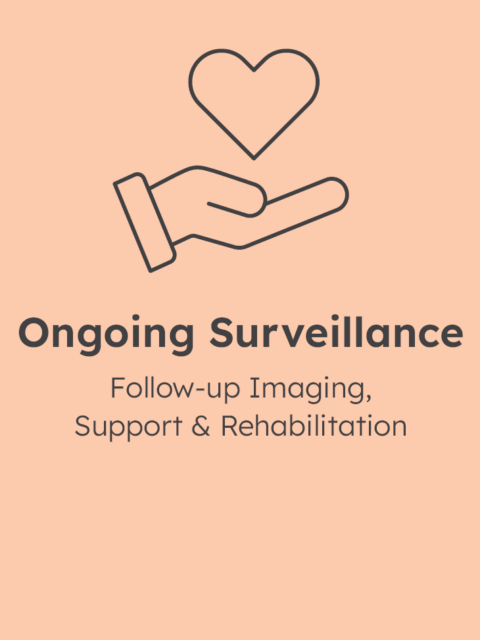
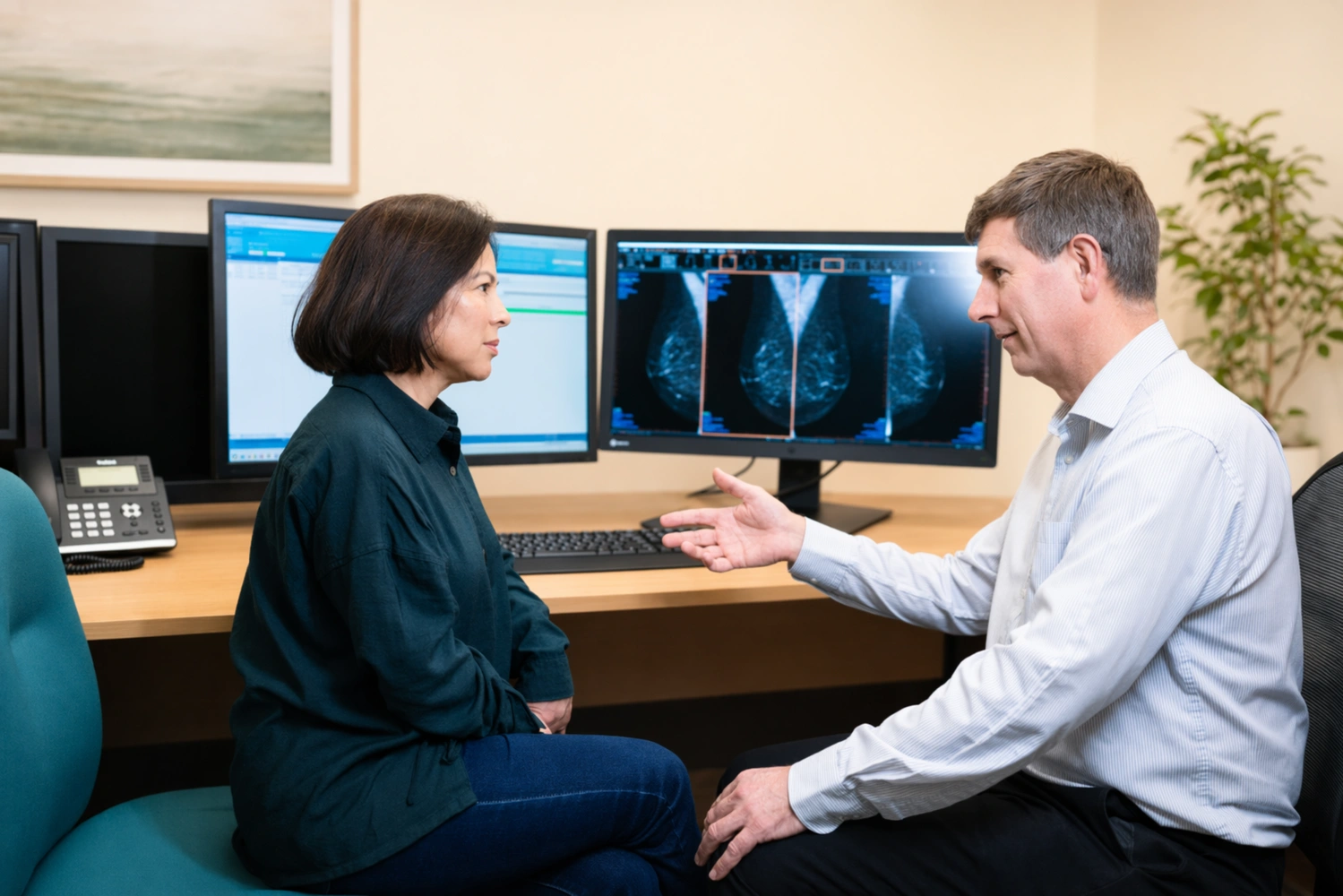
We use the gold standard in breast imaging.
At Allevia Radiology and Allevia Breast Institute, every mammogram includes 3D mammography together with breast density assessment because we believe every woman deserves the highest personalised standard of breast imaging. This advanced imaging gives our specialist breast radiologists more information and has been shown to improve the detection of invasive breast cancers by separating overlapping breast tissue.
If further assessment is needed, you also have access to breast ultrasound, MRI, PET-CT and image-guided biopsy services through one connected breast care network.
Our advanced technology, combined with world-class breast surgeons and specialists trusted across New Zealand, helps deliver the best possible outcomes for every patient.
-
3D Mammography
-
Breast Density Assessment
-
Breast Ultrasound
-
Image-guided Biopsy
-
MRI
-
PET CT
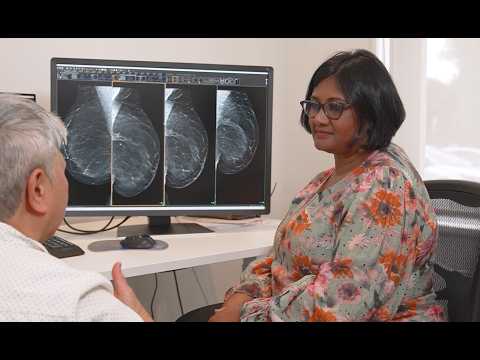
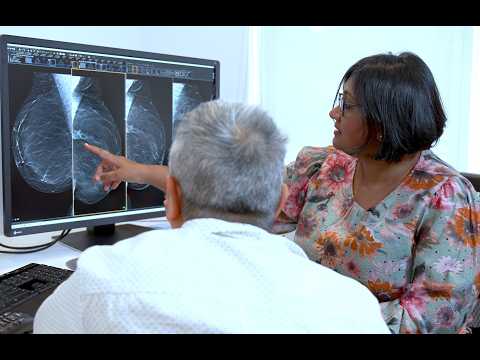
Breast health education videos
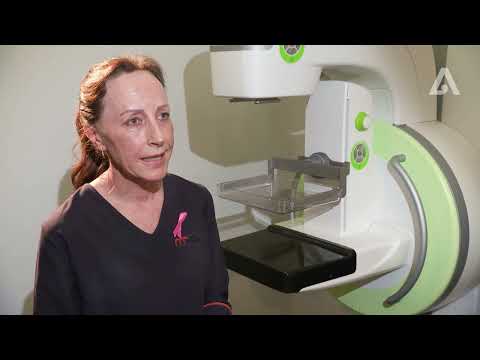
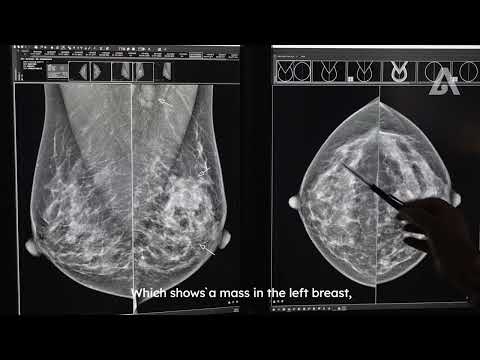
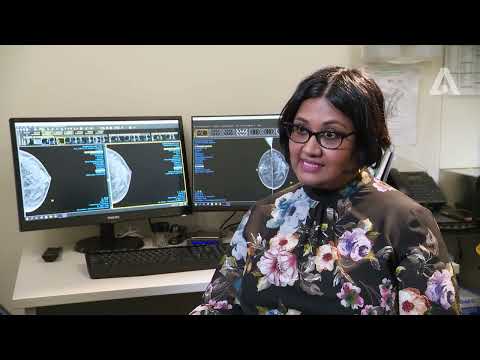
Learn more about breast screening and mammography.


Frequently Asked Questions
Common questions from our patients include...
Why can't I self-refer if I'm experiencing breast symptoms?
Why can't I self-refer if I'm experiencing breast symptoms?
If you have symptoms such as a lump, nipple discharge or persistent breast pain, you'll need a referral from your GP or healthcare provider. This helps ensure you receive the right assessment, which may include a mammogram, ultrasound or other investigations based on your symptoms.
This will help diagnose your condition while your GP or healthcare provider will ensure you receive the correct treatment for your symptoms.
When should I start having mammograms if I have a family history of breast cancer?
When should I start having mammograms if I have a family history of breast cancer?
If you have a close family history of breast cancer, you may need to start screening earlier than usual. Speak with your GP or specialist, who can assess your individual risk and recommend the most appropriate screening plan.
Why might I need both a mammogram and an ultrasound?
Why might I need both a mammogram and an ultrasound?
Mammograms and ultrasound provide different information and are often complementary. A mammogram is the best first test for detecting many breast cancers and non invasive cancers by detecting microcalcification, while an ultrasound helps assess specific areas of concern and distinguish between solid lumps and fluid-filled cysts. Microcalcification is not easily seen on ultrasound and are better seen on mammograms. Together, they provide a more complete assessment when clinically appropriate.
Is it OK to get a mammogram right before my period?
Is it OK to get a mammogram right before my period?
Try not to have your mammogram the week before your period or during your period. Your breasts may be tender or swollen then, making the examination more painful.
Should I be worried about the radiation dose?
Should I be worried about the radiation dose?
With modern equipment and technology, the radiation dose used for your mammogram is very low. The benefits of finding and treating a breast cancer early far outweigh any risk from the X-rays.
What is 3D Mammogram/Tomosynthesis?
What is 3D Mammogram/Tomosynthesis?
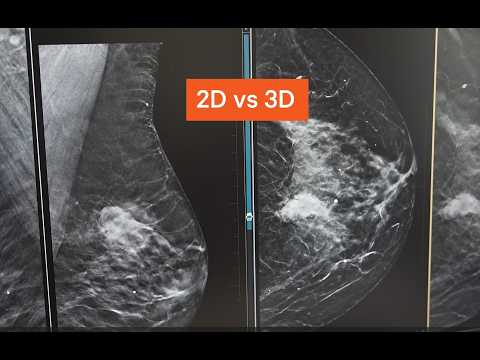
3D Mammography/Tomosynthesis is a technique that produces three-dimensional slices of the breast and is our standard service at Allevia Radiology and Allevia Breast Institute. This technology has been proven to increase the breast cancer detection rate by up to 43%, as well as reduce the recall rate and any unnecessary additional testing or biopsies. Learn more about Tomosynthesis.
Read the FAQs below for more information about 3D Mammogram with Tomosynthesis.
How common is breast cancer?
How common is breast cancer?
Breast cancer is the most common cancer among women worldwide, affecting 1 in 9 women in New Zealand. Early detection and treatment significantly improve a woman’s chances of survival.
What if I have an abnormal result?
What if I have an abnormal result?
At Allevia, if the abnormality on your mammogram needs further investigation, we aim to provide diagnostic workup on the day. This may involve extra mammogram images, an ultrasound, or a biopsy.
Can I have an Ultrasound instead of a Mammogram?
Can I have an Ultrasound instead of a Mammogram?
Breast Ultrasound produces images of the breast tissue using sound waves. It is frequently used in conjunction with mammograms to help diagnose breast lumps and other abnormalities found during physical examination, mammography or MRI. For women of screening age (40+), ultrasounds DO NOT replace mammograms, as some breast cancers signs are not visible on ultrasound. Microcalcification (tiny calcium specks) can be a very early sign of breast cancer, and are often only seen on mammography.
Book your mammogram now