Melanoma: Check early. Protect your future.

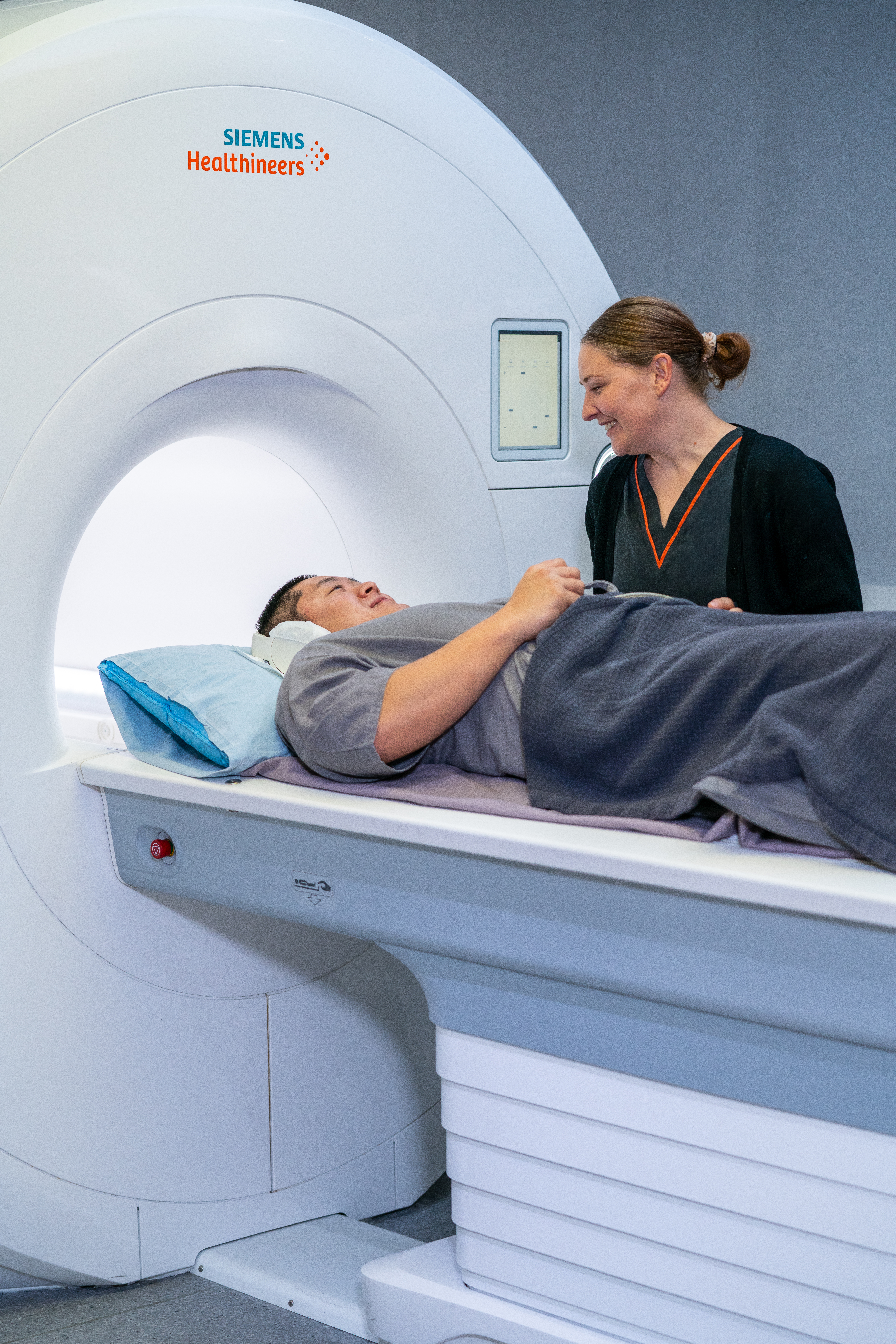
Allevia Radiology is proud to partner with Melanoma New Zealand to strengthen melanoma awareness and early detection across Aotearoa New Zealand.
This partnership reflects a shared commitment to:
• Early detection: by understanding the signs of melanoma, we can help to save lives.
• Prevention. Saving lives tomorrow by creating awareness around the symptoms of melanoma and treatment options.
• Patient centred care.

Book your appointment
If your doctor recommends imaging or staging investigations, our team is here to help.
Why this matters
New Zealand has the highest melanoma incidence rate in the world. Each year:
-
More than 7,200 cases of melanoma are diagnosed
-
Around 300 people die from melanoma
-
Men are twice as likely to die from melanoma
When melanoma is detected early, survival rates exceed 98 percent; therefore, understanding the melanoma stages and symptoms are important to ensure treatment and detection are sought as soon as possible.
Early detection makes a lifesaving difference.

Free Skin Cancer Spot Check
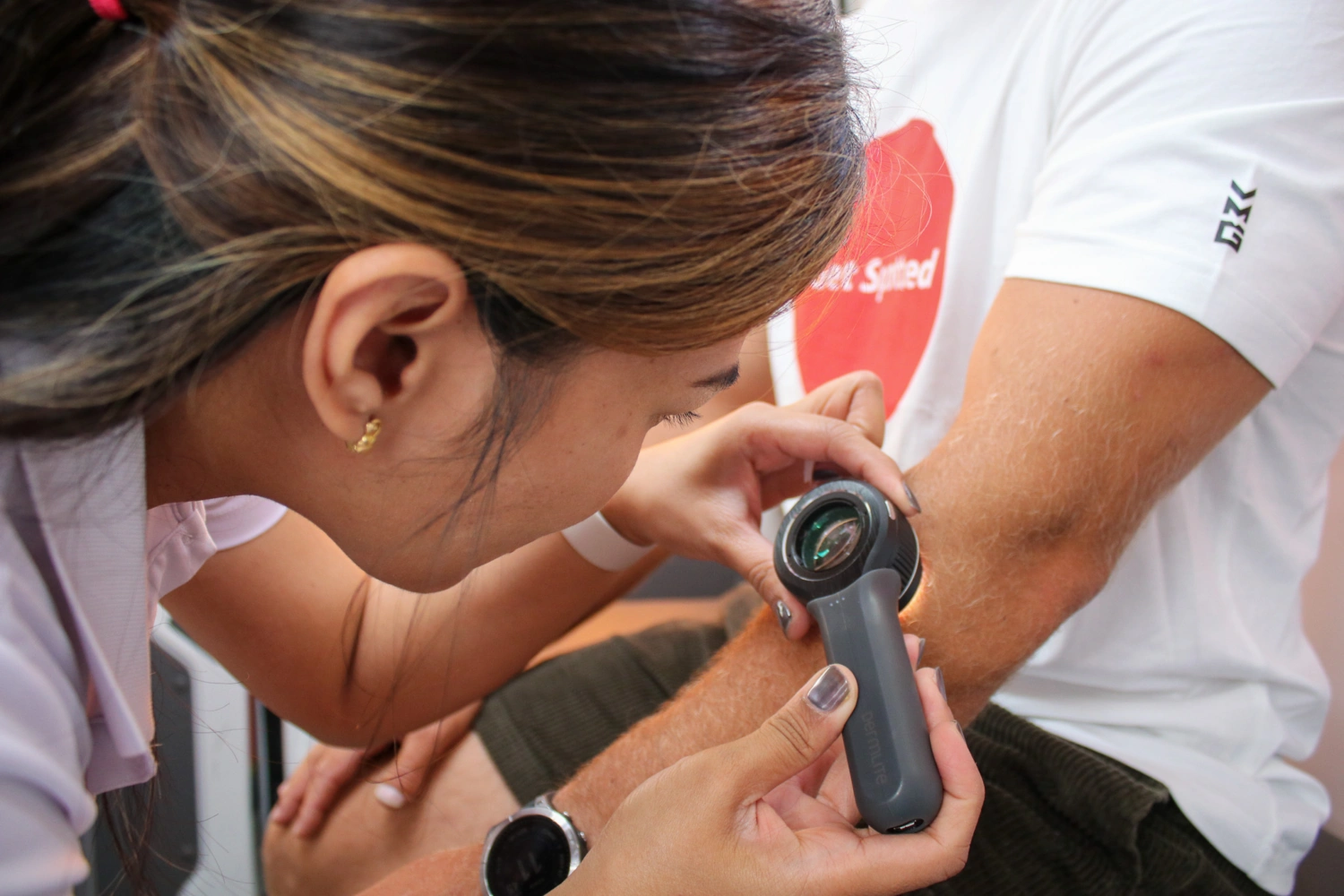
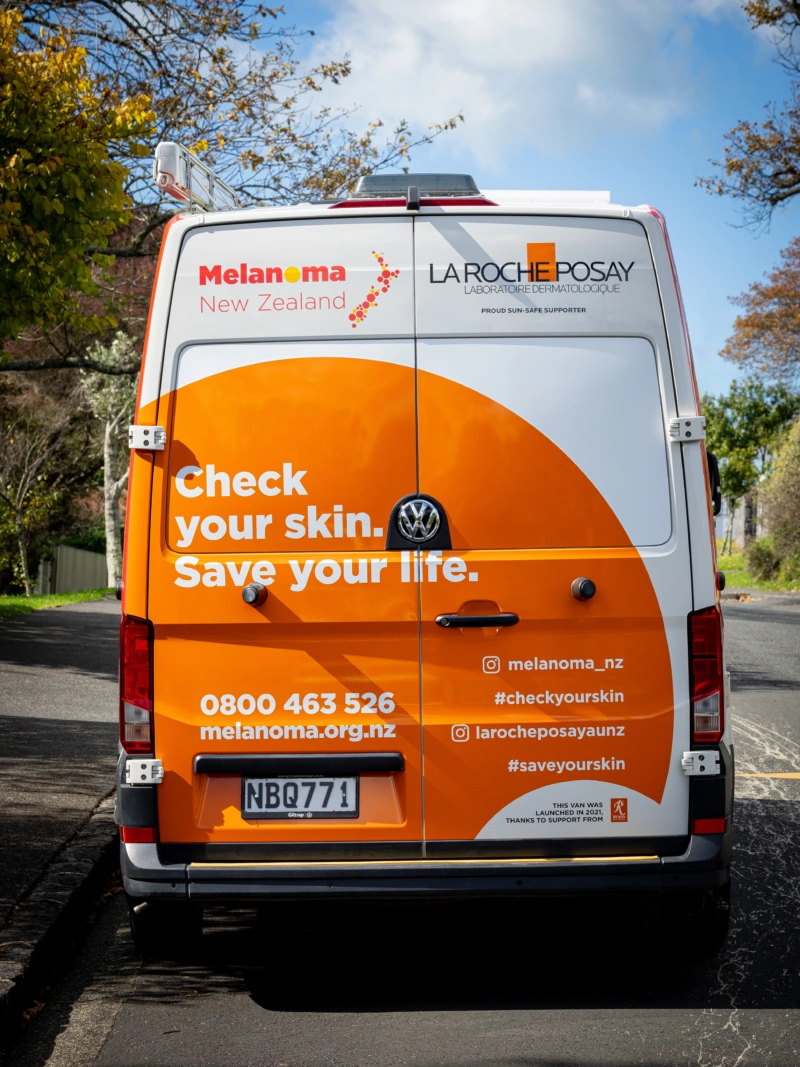
As part of this campaign, the Melanoma New Zealand Spot Check Van will visit selected Allevia Radiology clinics across Auckland.
These free spot checks help raise awareness, encourage melanoma prevention and early detection of melanoma.
Melanoma New Zealand Spot Check Van Schedule
-
Botany: 14 April | 9am–3pm
-
Pukekohe: 21 April | 9am–3pm
-
Westgate: 28 April | 9am–3pm
-
Rosedale: 5 May | 9am–3pm
-
Epsom Campus: 19–20 May | 8am–5pm
-
Ascot Greenlane: 21 May I 8am-5pm
These checks are open to:
• Allevia Radiology patients
• Staff across the clinic campus
• Staff and patients from co located medical centres
Note
You can have up to three spots checked, no appointment necessary.
Spot checks are provided for awareness and do not replace a full body skin check by a skin specialist.
The Melanoma New Zealand van schedule and operations are managed directly by Melanoma New Zealand.
For all enquiries about timings or the service, please contact Melanoma New Zealand directly on:
0800 463 526
The role of imaging in Melanoma
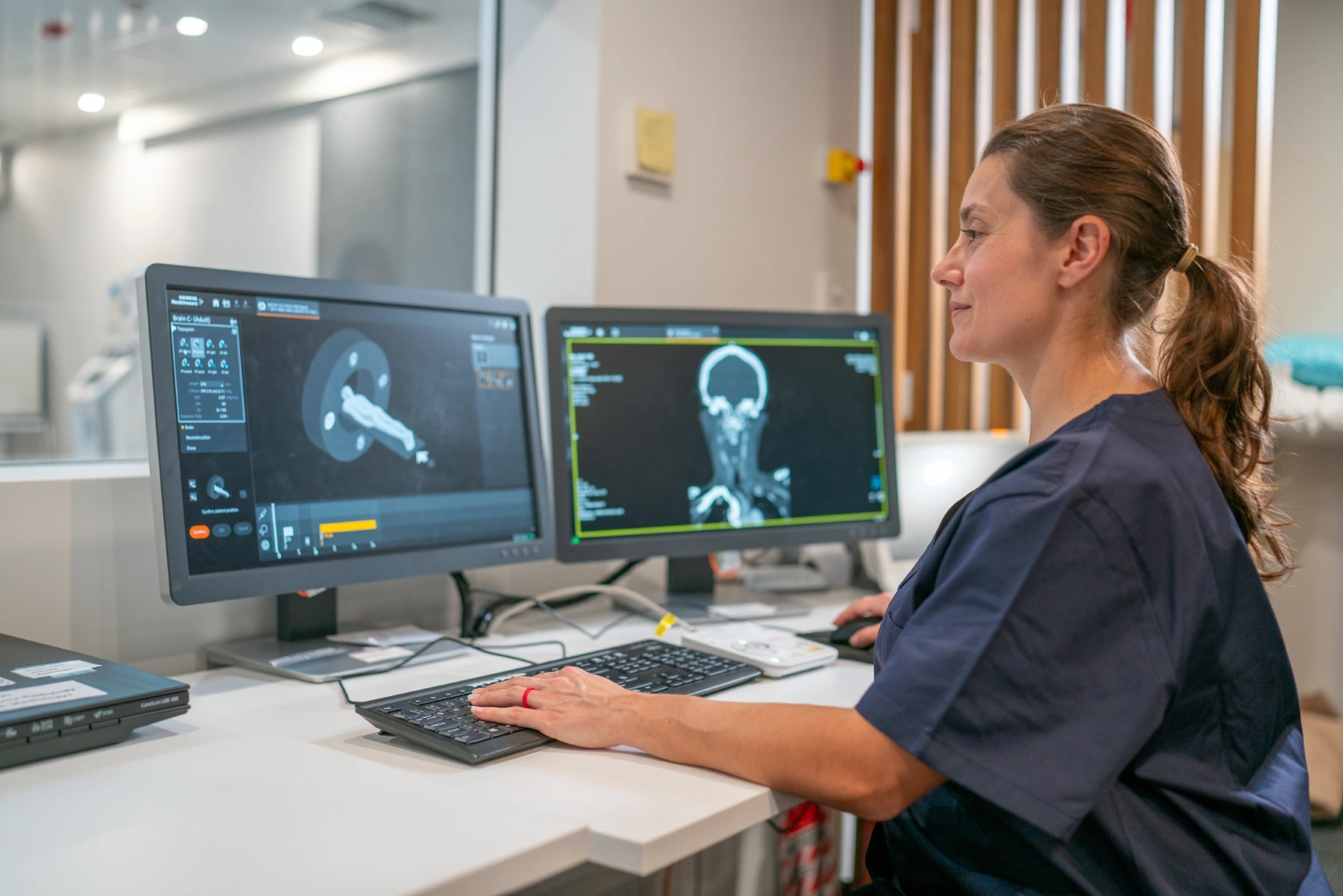
If melanoma is diagnosed, additional tests may be required to determine the size of the cancer and whether it has spread.
That’s where Allevia Radiology comes in – diagnostic imaging assists doctors understand what stage of melanoma is at and guides treatment decisions based on the findings.
Allevia Radiology supports specialists with advanced imaging including:
-
Ultrasound
Used to assess lymph nodes or organs inside the body.
-
CT Scan
Provides detailed cross-sectional images to evaluate organs such as the lungs or liver.
-
MRI
Produces high resolution images of the brain, liver and soft tissues.
-
PET-CT
Detects metabolically active cancer cells throughout the body.
These additional imaging steps help doctors determine the stage of the melanoma and identify the most appropriate treatment pathway for your unique case.
As part of the Allevia Health group, our radiology services work alongside specialist surgical, oncology and hospital partners to support patients through the full melanoma diagnostic and treatment journey.
Learn more about the Allevia Health group.
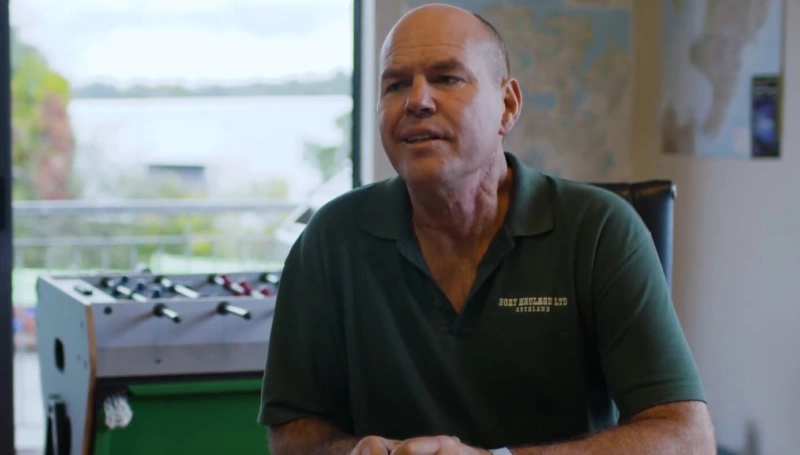
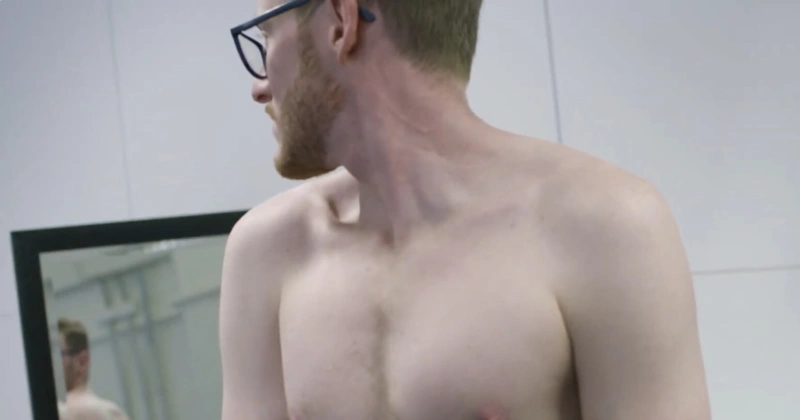
Melanoma Educational videos

How to support Melanoma New Zealand
You can support their work by donating to their melanoma statistics, research and patient programmes that benefit so many New Zealanders with melanoma treatment and prevention. To donate, visit their website below.
Frequently Asked Questions
Concerned about a skin change?
Concerned about a skin change?
If you’re worried about a change to your skin - whether it’s an existing mole, or something new - be sure to see your GP or a skin specialist for assessment. Your doctor will be able to advise you on the next steps, and what happens if melanoma is confirmed.
If you are diagnosed with melanoma, further tests may be recommended to determine whether the cancer has spread, and to understand what stage of melanoma you have. These scans may include sentinel node study, CT, MRI, PET-CT, or other investigations to guide the next stage of treatment.
Whilst your treatment plan will be unique to you, the typical pathway tends may include an initial assessment, then a biopsy and imaging for understanding the melanoma further, followed by a referral to specialists for treatment.
Whatever the outcome, Allevia Radiology will support you on your journey to recovery and treatment.
What are the early signs of melanoma?
What are the early signs of melanoma?
Look for changes in the shape, colour, size, or texture of a mole or skin spot. The A-G guide helps identify suspicious lesions.
Who is most at risk of melanoma?
Who is most at risk of melanoma?
Anyone can develop melanoma, but risk is higher in people with fair skin, frequent sun exposure, a history of sunburn, or a family history of skin cancer.
Māori and Pacific people have a much lower chance of developing melanoma but often have more serious melanomas. It is skin type, not ethnicity that predicts risk.
Do all melanoma patients need imaging scans?
Do all melanoma patients need imaging scans?
Not always. Imaging is recommended depending on the thickness of the melanoma and whether there is concern about spread.
Why is early detection important?
Why is early detection important?
If detected early, Melanoma can have a very high survival rate. When the disease spreads to other parts of the body, treatment becomes more complex - therefore early detection is imperative to ensure you get the right treatment option.
You can visit melanoma.org.nz for more information on symptoms, treatment plans and more.
What does melanoma look like?
What does melanoma look like?
Melanoma often appears as a new spot on the skin or a change in an existing mole or freckle. The spot may look uneven in shape, have irregular edges, or show different colours such as brown, black, red, or pink. Some melanomas may become raised, itchy, crusted, or start to bleed. Others may look quite different from your other moles (sometimes called the “ugly duckling”). Some melanomas (called amelanotic melanoma) may have little or no pigment and can appear as a pink, red, or skin-coloured spot that is growing or does not heal.
How do I know if I have melanoma?
How do I know if I have melanoma?
Melanoma cannot be confirmed by looking at your skin alone. If you notice a new or unusual spot, or a change in an existing mole or freckle, it should be checked promptly by a GP, dermatologist, or qualified skin cancer doctor or nurse specialist.
A trained clinician will examine the spot using a dermatoscope – a specialised tool that allows a closer look at the skin. If needed, a biopsy may be performed and the diagnosis confirmed by histology (laboratory testing).
How long does melanoma take to develop?
How long does melanoma take to develop?
Melanoma can develop over months or many years. Some types grow slowly, while others grow quickly. Because melanoma can change over time, regular skin checks and paying attention to new or changing spots help detect melanoma early.
What are the melanoma signs and symptoms?
What are the melanoma signs and symptoms?
One way to look for signs of melanoma is by using Melanoma New Zealand’s A-G tool.
Asymmetry
One half is different from the other half
Border Irregularity
The edges are notched, uneven or blurred
Colour is uneven
Shades of brown, tan and black are present
Different
From other lesions (ugly duckling)
Evolving
Any change in growth, new or elevated
Firm
To the touch
Growing
Most are larger than 6mm and keep growing
Common signs include:
• A new spot or mole on the skin
• A change in size, shape, or colour of an existing mole
• Irregular or uneven edges
• Multiple colours within the same spot
• Itching, bleeding, or a sore that does not heal
Any new, unusual, or changing skin spot should be checked by a doctor.
What are the stages of melanoma?
What are the stages of melanoma?
Melanoma stages describe how far the cancer has grown or spread.
Stage 1: Early melanoma confined to the skin, usually thin.
Stage 2: Thicker melanoma still confined to the skin, higher risk.
Stage 3: Melanoma has spread to nearby lymph nodes or surrounding skin.
Stage 4: Melanoma has spread to distant organs such as the lungs, liver, or brain.
Staging helps doctors decide the best treatment and estimate outcomes.
Book your appointment
If your doctor recommends imaging or staging investigations, our team is here to help.
Partner Contacts
Allevia Radiology
alleviaradiology.co.nz
Phone: 09 630 3324
Melanoma New Zealand
melanoma.org.nz
0800 4 MELANOMA