
Cutting-edge theranostics technology to diagnose and treat diseases with precision, enhancing outcomes and improving patient quality of life.
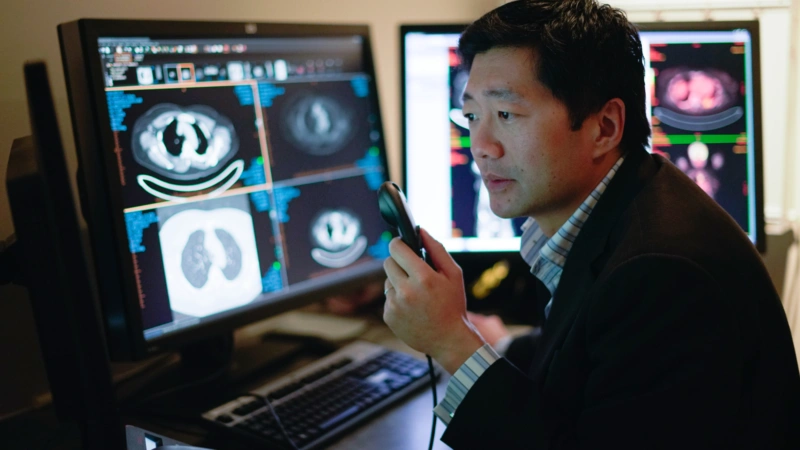
Celebrating a significant milestone for molecular imaging and theranostics.
In August 2024, Allevia Radiology celebrated six years of leading theranostic treatments in New Zealand. Our commitment to innovation, first-in-class services, and outstanding patient outcomes and results have defined our journey as New Zealand’s leading theranostic provider.
Thanks to the dedication of our exceptional team and ongoing research efforts, we’ve introduced cutting-edge theranostic therapies that have further advanced the capabilities of our theranostic services in Aotearoa.
We look forward to continuing to lead the way in transformative treatments and unparalleled patient care as theranostics become more accessible and requested across New Zealand.
If you’re interested in learning more about theranostics and how it could support your treatment, please ask your specialist or oncologist for a referral.
Theranostics in New Zealand
Allevia Radiology has been at the forefront of advancing theranostics for over six years, proudly standing as one of the few providers in New Zealand.
The Allevia Radiology Theranostics Team has experience in the experimental and compassionate use of radiopharmaceuticals for therapy, and they initiate and participate in local and international clinical trials.
There are two key aspects of our approach: the meticulous preparation and production of theranostics pharmaceuticals according to international standards, and, our dedication to providing personalised patient care. Our commitment to these principles ensures the best possible outcomes for our patients.
We offer consultations to patients with appropriate referrals from specialists or oncologists to discuss oncological and non-oncological nuclear medicine therapy options.
We offer comprehensive theranostics services, also known as lutetium therapy, and our process usually includes assessing your suitability, conducting PET scans, reviewing lab results, and evaluating your medical condition. You will then have a face-to-face consultation with one of our doctors, where we’ll discuss what to expect from the treatment, including its potential benefits and side effects.
Frequently Asked Questions
What is theranostics?
What is theranostics?
The definition of theranostics is essentially the two terms, therapy and diagnostics, combined. Theranostics refers to a medical approach that uses diagnostic tests to identify the right treatment for a patient to then deliver that treatment in a highly targeted way.
Theranostics helps doctors see exactly where a disease is, often using imaging, and then treat it at the same time, often using the same kind of agent or molecule.
How does theranostics work?
How does theranostics work?
Theranostics typically involve the use of radiopharmaceuticals. These are radioactive substances that attach to specific molecules to target diseased cells.
The radiopharmaceutical is administered to the patient, and its movement through the body is tracked using imaging techniques like single-photon emission computed tomography (SPECT).
Once the radiopharmaceutical reaches the diseased tissue, it emits radiation that can be used to:
- Diagnose: the radiation patterns can help pinpoint the exact location and extent of the disease.
- Treat: the radiation itself can destroy the disease cells, acting as a form of therapy.
What are the benefits of lutetium therapy?
What are the benefits of lutetium therapy?
Lutetium therapy allows patients with advanced cancer to maintain a good quality of life with minimal side effects. Lutetium works to lock onto the cancerous cells and kill them without taking the healthy cells with it.
Approximately 60-70% of patients who undergo this treatment experience a positive response, such as an alleviation of symptoms, and in some patients, it may produce a relatively long-term remission of disease in the body.
Who can receive theranostics treatment?
Who can receive theranostics treatment?
Theranostics is often used to treat a variety of cancers and other diseases. However, the definition for theranostics care requires a specific criteria for eligibility, and can vary depending on the condition the patient has, and the type of theranostics procedure being considered.
Are there any risks in receiving theranostics treatments?
Are there any risks in receiving theranostics treatments?
Theranostic treatments are generally safe and have fewer side effects than other treatments.
However, there are risks such as radiation exposure and potential long-term issues. When you have your consultation with our team, please discuss any concerns you may have about your treatment, and our experts will be able to inform you further.
Are there any restrictions I need to follow after theranostics treatment?
Are there any restrictions I need to follow after theranostics treatment?
After a theranostics procedure, you may be asked to follow certain restrictions, such as:
- Limiting contact with pregnant women or young children;
- Avoiding certain activities, such as swimming or strenuous exercise;
- Drinking plenty of fluids to help flush the radiopharmaceutical from your system.
It's important to follow your healthcare provider's instructions carefully to ensure a successful recovery.
How can I access theranostics treatment?
How can I access theranostics treatment?
To access theranostics treatment, patients will need to be referred by their treating oncologists or specialists.
Scanned referral letters can be emailed to [email protected], or call us on 09 632 5862.
Contact us
You can email our Theranostics team or call us if you have any enquiries.
Ready to get started?
Where our expertise meets your health journey.

Radiology
A full range of imaging services, from X-rays to advanced MRI and CT scans. Precise, compassionate care for all your diagnostic needs.

Allevia Breast Institute
Assessment and treatment of breast lumps, pain, breast cancer, and surgical procedures for both women and men.

Screening Programmes
Quick, easy screening when you need it.

Allevia Health Journeys
A new approach to healthcare where patients can be reassured their journey will be timely, less stressful, and as effective as possible.