

Watch
Overview
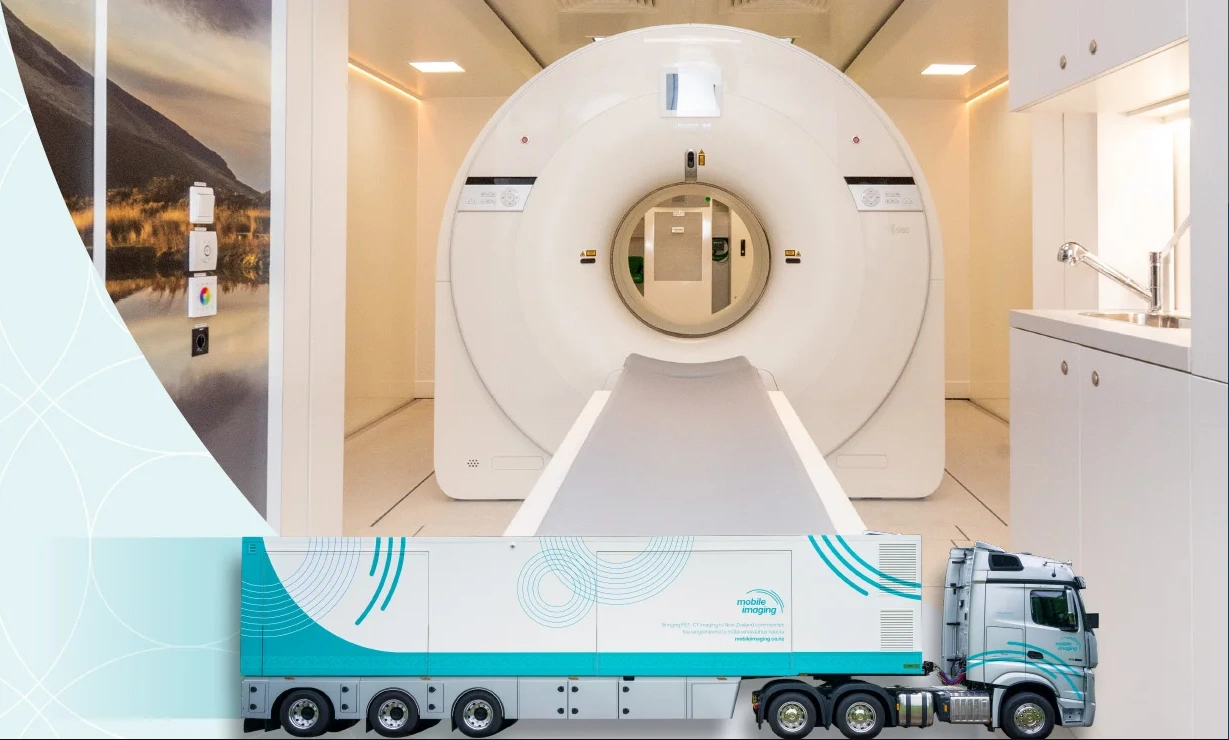
Positron Emission Tomography (PET) is an imaging procedure which uses small amounts of radioactive tracers to help see how cells or organs in your body are functioning. It is combined with a CT scan (advanced type of X-ray imaging) to show not only bones, but blood vessels, muscles, and organs. A PET-CT scan can help to diagnose, locate, and assess a wide range of conditions.
Several types of PET-CT scans are offered at Allevia Radiology:
- F18-FDG is used to image the whole body (most commonly cancer or infections) or the brain (memory loss, cognitive decline);
- F18-NaF/Sodium Fluoride is used for evaluation of bone health (pain, bone cancers or metastasis);
- F18-FET is used for investigation of brain tumours;
- F18-FBB is used to help diagnose Alzheimer’s disease;
- Ga68-PSMA is used for investigation of prostate cancer;
- Ga68-Dotatate is most commonly used for investigation of neuroendocrine tumours;
- Ga68-FAPI is used to investigate a wide range of cancers.
What to expect
Before
You need a referral from your specialist to be able to book an appointment for this scan.
You will be advised when you make your appointment on any necessary preparations for your scan.
If you are diabetic or claustrophobic, please notify the bookings team in advance.
If you are breastfeeding or think you might be pregnant, please notify the bookings team in advance - your scan may have to be moved, or there may be specific instructions for you to have your scan.
Please arrive 15 minutes early to fill out a questionnaire form (even if you have been with us before).
During
Please allow 2-3 hours for the entire appointment. You will not be in the scanner this whole time.
The Nuclear Medicine Technologist will explain the entire process, answer any questions you have and make sure you are comfortable.
An IV line will be placed in a vein in your arm and the tracer is injected through the line.
Depending on the tracer, you may have to wait up to 1 hour before you are ready for your scan.
You may be asked to change into a gown and to remove metallic objects such as jewellery, dentures and hearing aids.
You will be in the scanner for 10-30 minutes and may also have an injection of CT contrast during the scan.
After
You will be given specific post-scan instructions at the end of your appointment.
The amount of radiation used for the PET scan is very small and will be flushed out of your system by the end of the day.
We suggest you minimise prolonged contact with growing children and pregnant women for a few hours after your scan.
You can resume your normal activities and diet after your scan.
Drink plenty of fluids for the rest of the day and use the bathroom often.
The results of your scan will be sent to your doctor electronically, as soon as possible. If you require urgent results, please let us know during your appointment.
Resources
To make things easier, we have prepared some simple downloadable guides for our scans. You can download these and print them off for your reference.
Please remember these are a guide only - not all preparation instructions are included here. You will be advised of specific details when making your appointment, which will also be emailed to you.
Risks
A PET-CT scan is a safe and routine procedure. The benefits of having this scan far outweigh any possible risk from radiation. We always use the lowest amount of radiation possible, and the tracers we use are safe and are used around the world without complications. You are not a risk to the general public once your scan is finished.
A CT is also a safe and routine procedure. It may be necessary to have an injection of contrast for the CT component of your scan. You will be asked questions regarding any previous reactions to injections and medications prior to any scan being performed.
FAQs
Can a pregnant woman accompany a friend, partner, or child who is having a PET scan?
Can a pregnant woman accompany a friend, partner, or child who is having a PET scan?
It is not advisable. Although the radiation dose from the person undergoing the scan is fairly low, it is desirable to keep the radiation exposure to the fetus as low as reasonably feasible. If the patient is breastfeeding, milk should be collected and discarded for 2 hours after the scan. Normal breastfeeding can resume after that.
Can I drive after a PET scan?
Can I drive after a PET scan?
Yes, you should have no trouble driving yourself home. You may resume eating and drinking, unless otherwise instructed differently. Drinking plenty of fluids will help you excrete the radiotracers from your system.
Does a PET scan always mean cancer?
Does a PET scan always mean cancer?
Often, a PET scan is combined with a CT scan in one test. A PET-CT scan helps to diagnose cancer and provide additional information, including whether a tumor is benign (non-cancerous) or malignant (cancerous), whether the cancer cells are active or dead, and how well the cancer is responding to treatment.
Pricing
ACC: No Charge – Specialist Referred only.
Private / Insurance: For an estimate of cost, please contact us with a copy of your referral.
Contact us
Ready to get started?
Radiology services