When it comes to breast cancer screening, not all mammograms are the same. The two main types are 2D mammography and 3D mammography. Understanding the difference helps you make informed choices for your breast health.
3 minute read
What 2D Mammography Does
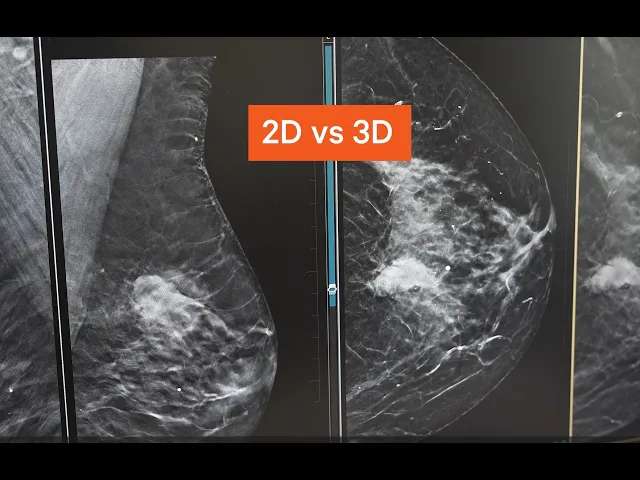
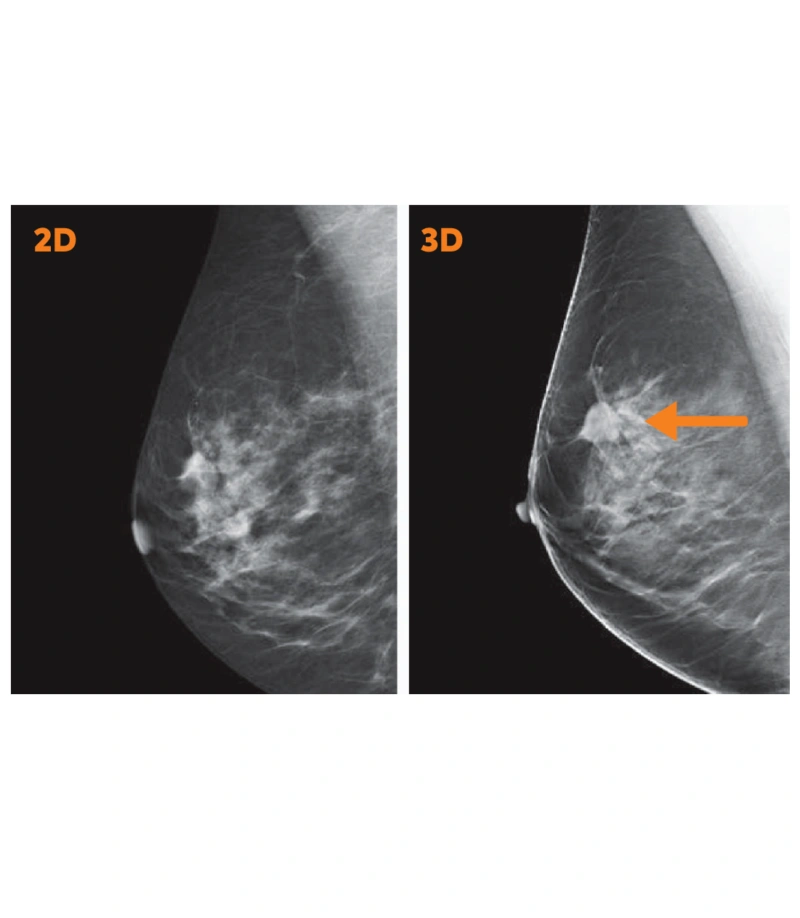
A 2D mammogram takes two flat X-ray images of each breast: one from the top and one from the side. It has been the standard screening tool for decades and is effective.
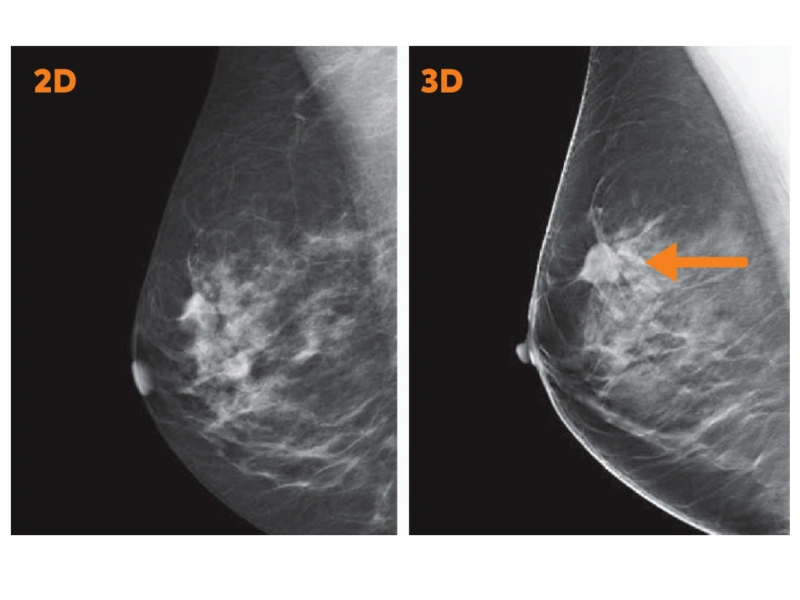
However, overlapping breast tissue can sometimes make it harder to see small cancers. This overlap can mask early disease or create areas that appear suspicious, often leading to additional imaging.
How 3D Mammography is Different
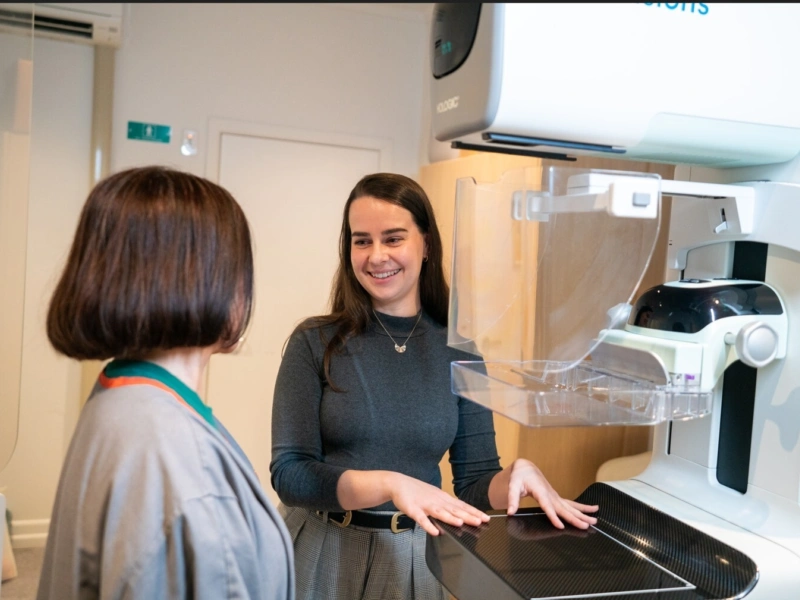
3D mammography, also called breast tomosynthesis, is a more advanced screening mammogram. The machine takes multiple images of the breast from different angles and reconstructs them into thin 1 mm slices. This gives radiologists a clearer view of the breast structure.
- Improves detection of small, early-stage cancers
- Reduces tissue overlap, making images clearer and allowing separation of masses from overlapping breast tissue
- Lowers the need for unnecessary call-backs and extra views
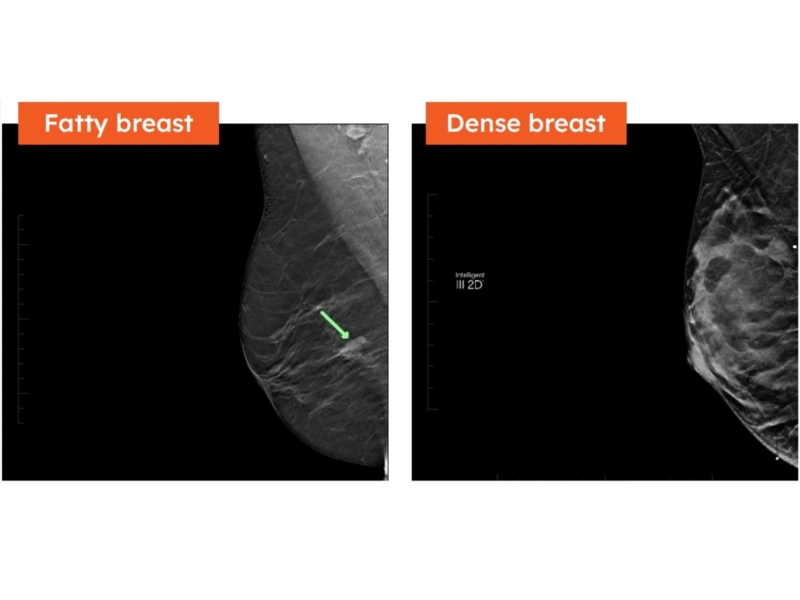
- Provides better visibility than 2D mammography for women with dense breast tissue
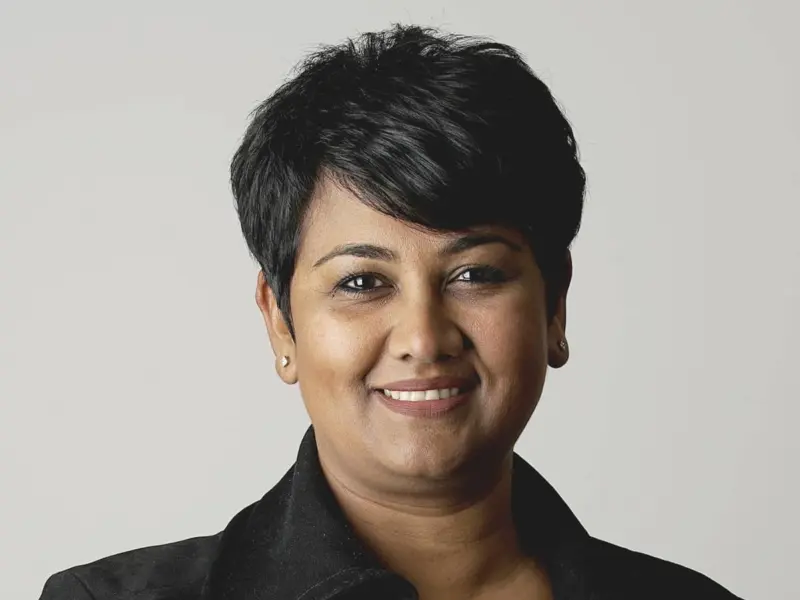
“For women with dense breasts, 3D mammography can reveal cancers that 2D mammography masks,” says Sugania Reddy, Lead Radiologist – Breast Imaging.
Why This Matters for Women
Dense breast tissue can make cancers harder to detect on a traditional 2D mammogram. 3D mammography improves visibility and reduces uncertainty. According to Breast Cancer Foundation NZ, early detection leads to higher survival rates and less invasive treatment.
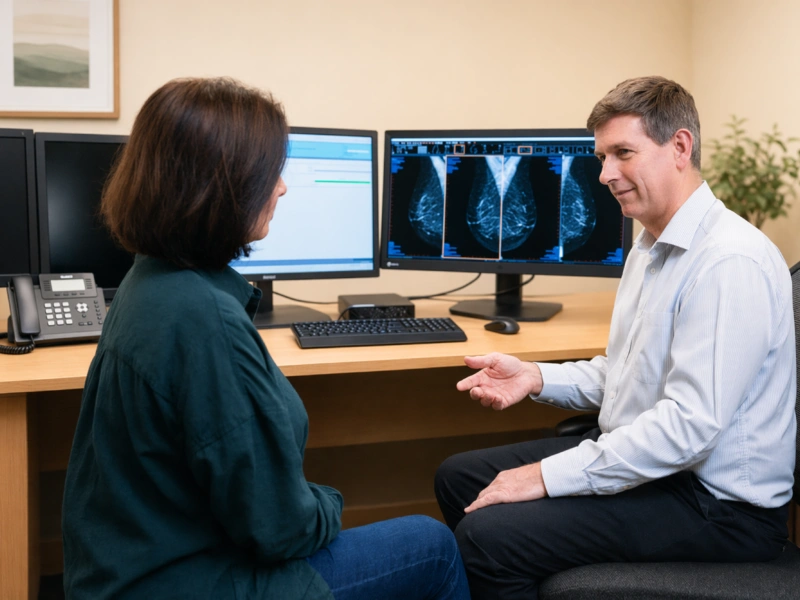
3D mammography is recommended for women aged 40 and above as part of regular breast screening. It increases the sensitivity of your mammogram and helps detect cancer earlier, when it’s most treatable.
Because when it comes to breast health, seeing the whole picture matters.
Sources:
Breast Cancer Foundation NZ (breastcancerfoundation.org.nz)
Dr Sugania Reddy, Lead Breast Radiologist, Allevia Radiology
Volpara Breast Density Assessment