Many women delay their first mammogram because they worry it will be painful or harmful. The truth is reassuring. With modern technology, mammograms are quick, generally painless, and safe. Radiation exposure is minimal, and the benefits of early detection are significant.
3 minute read
What to Expect
A screening appointment takes about 20 minutes.
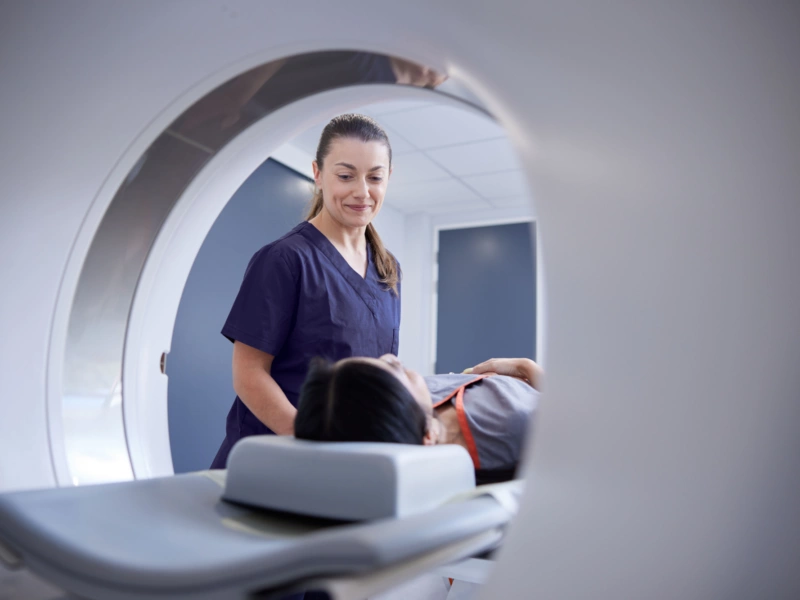
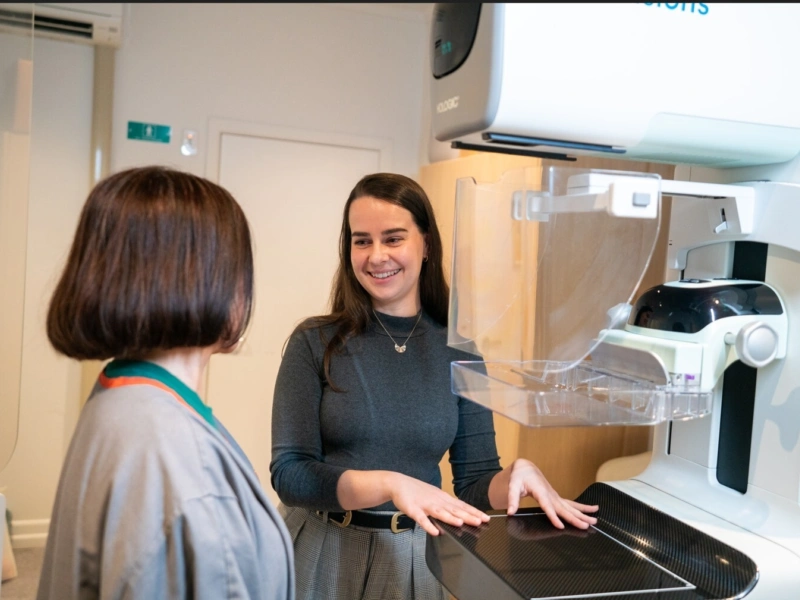
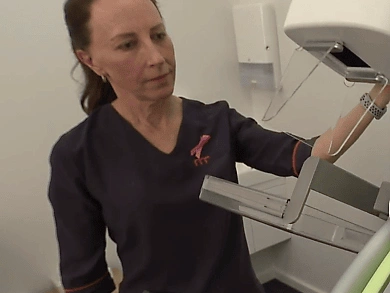
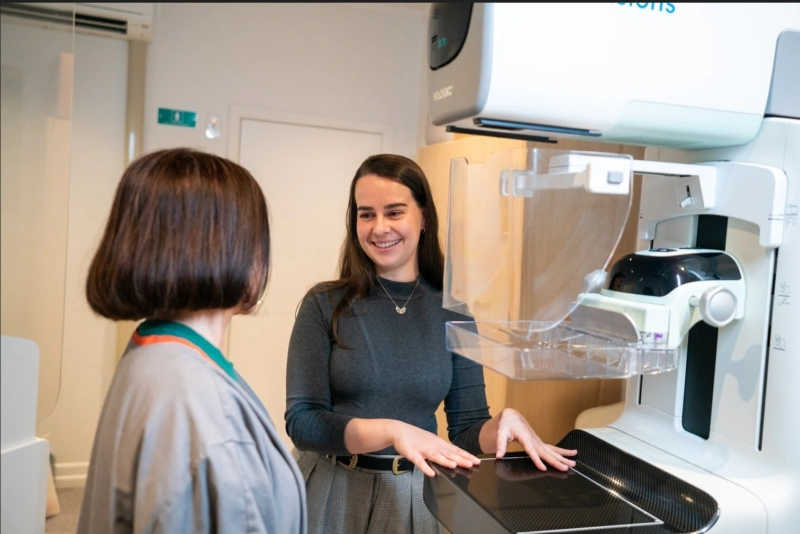
The mammogram itself takes around 10 minutes. Each breast is gently positioned between two plates for a few seconds. You may feel some pressure, but most women describe it as brief discomfort rather than pain.
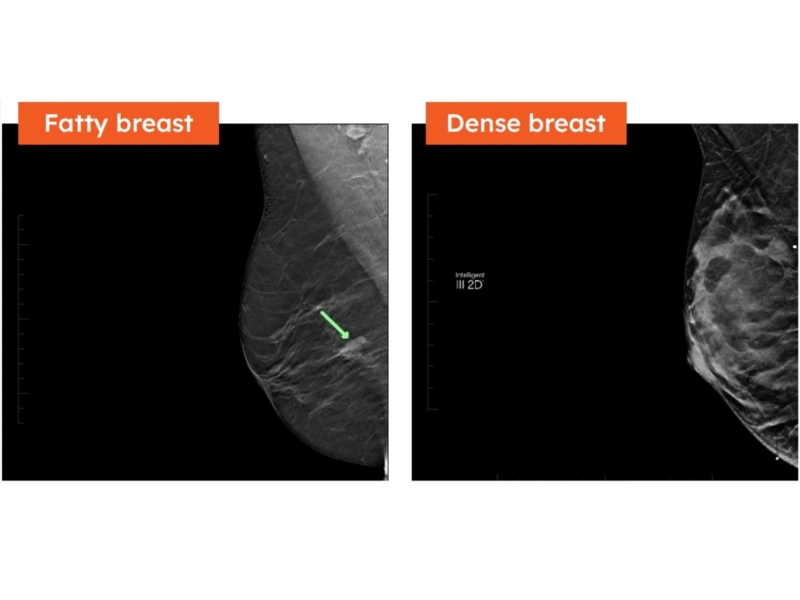
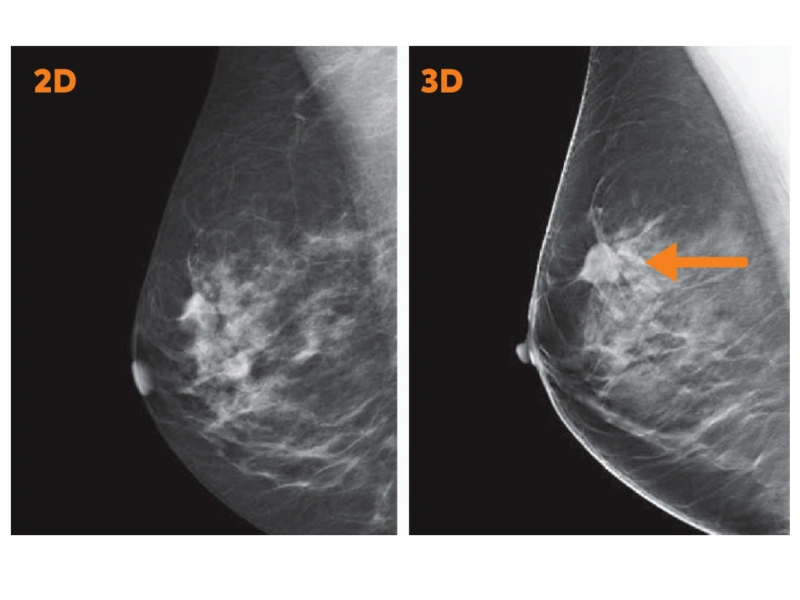
This gentle compression is essential. It helps radiologists capture clearer images, allowing them to detect small cancers long before they can be felt.
Safe and Low Radiation
Mammograms use a very small dose of X-rays, similar to the natural background radiation you are exposed to in everyday life. The benefit of detecting breast cancer early far outweighs any minimal risk from this radiation.
Why Start at Age 40
Breast cancer risk increases with age.
Health experts, including Breast Cancer Foundation NZ and American Cancer Society, recommend beginning regular mammogram screening at 40. Detecting cancer early means:
- Simpler treatment options
- Less invasive procedures
- Higher survival rates
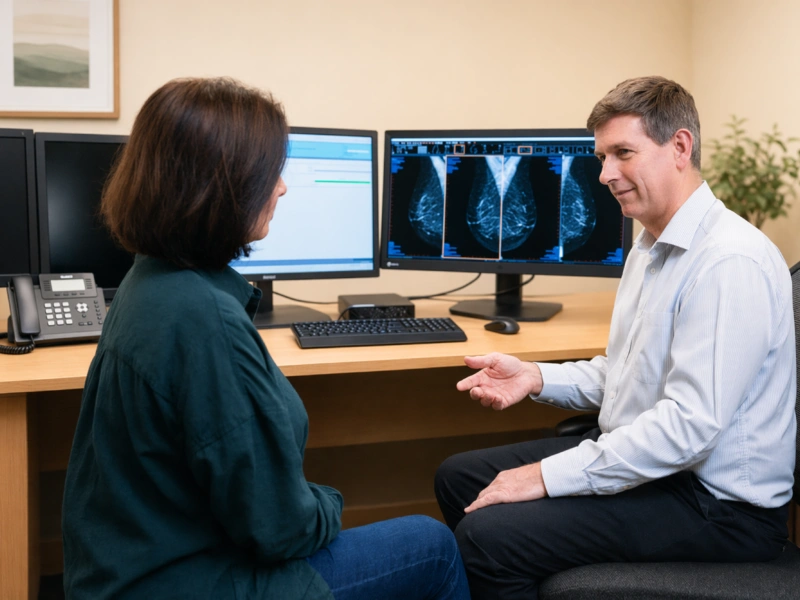
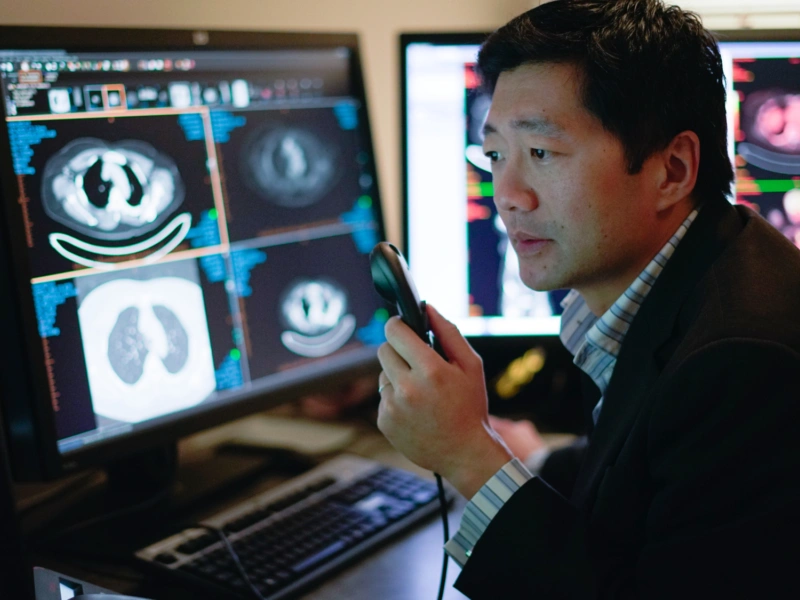
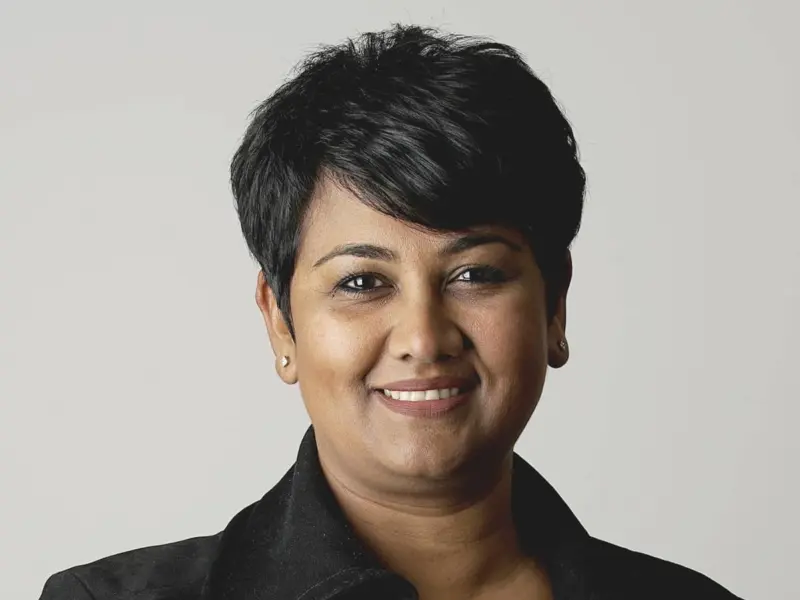
“Mammograms remain the most effective tool for early detection of breast cancer. For most women, the procedure is fast, comfortable, and can save lives,” says Sugania Reddy, Lead Radiologist – Breast Imaging.
Quick Checklist for Your First Mammogram
- Wear a two-piece outfit for easy undressing from the waist up.
- Avoid deodorant, lotion, or powder on the chest or underarms.
- Schedule your mammogram a week after your period if your breasts feel tender.
- Bring previous imaging if available.
- Tell your radiographer if you have breast implants, are pregnant, or breastfeeding.
- Arrive a few minutes early to complete any forms.
A mammogram is one of the quickest and most effective ways to protect your health. If you are 40 or older, regular screening gives you and your doctor the best chance to catch breast cancer early, when it’s most treatable.
A gentle, safe test could save your life.
Sources:
Breast Cancer Foundation NZ (breastcancerfoundation.org.nz)
American Cancer Society (cancer.org)
Dr Sugania Reddy, Lead Radiologist – Breast Imaging, Allevia Radiology
Alana McCathie, Mammography Clinical Lead, Allevia Radiology
Sonya Smyth, Clinical Operations Manager, Allevia Radiology