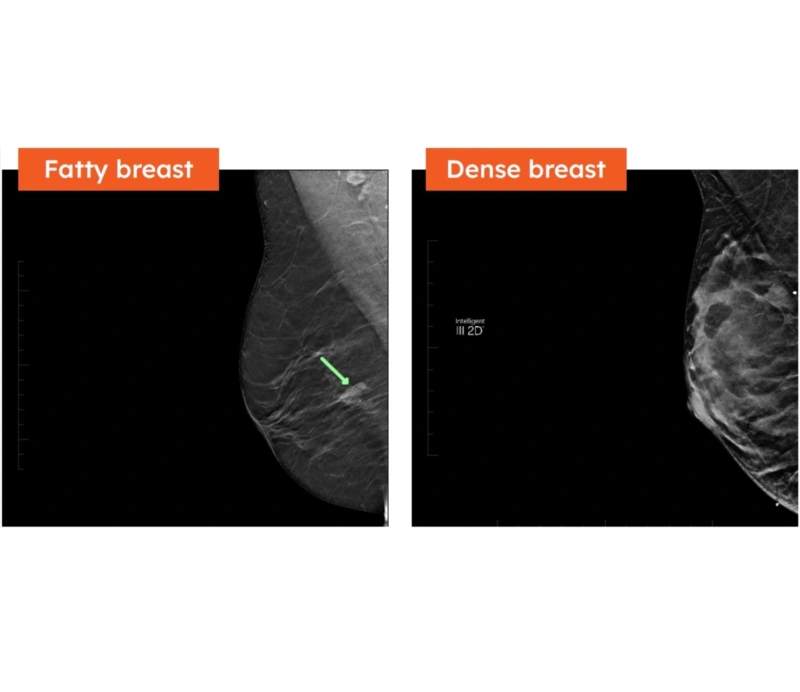
Not all breasts are the same. Some women have more fatty tissue, while others have dense breast tissue. Knowing your breast density matters because it affects how sensitive your mammogram is in detecting breast cancer. Mammograms in women with dense breasts have reduced sensitivity (less ability for a radiologist to find a breast cancer) and may need additional imaging to ensure a breast cancer is not missed.
3 minute read
What Breast Density Means
Breast density refers to the proportion of fibrous and glandular tissue compared to fat in the breast.
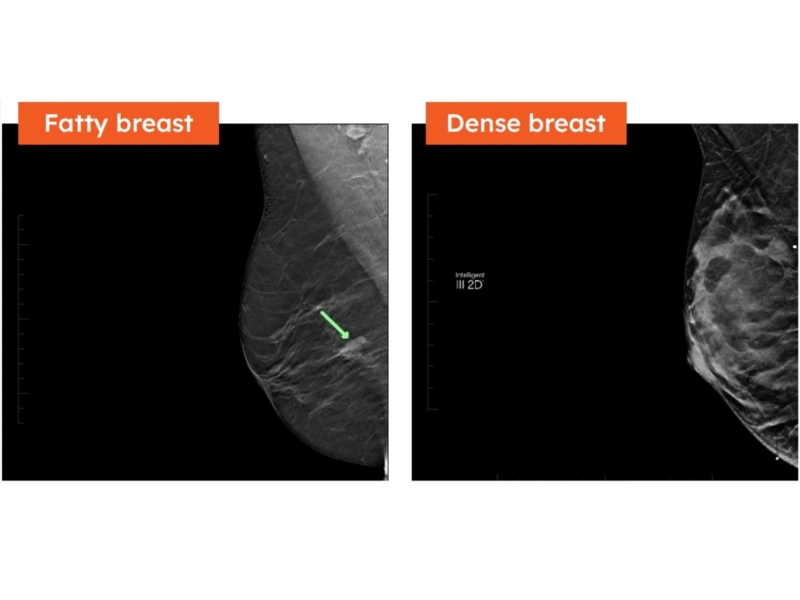
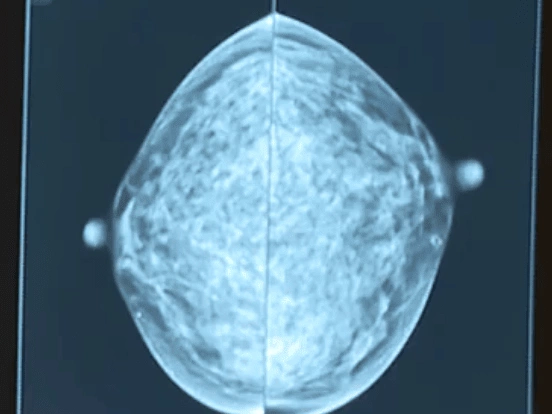
Dense tissue appears white on a mammogram, the same colour as many cancers, which makes cancers harder to detect.
- About 40% of women have dense breasts.
- Dense breast tissue can reduce mammogram sensitivity.
- Women with dense breasts have a higher risk of breast cancer and higher interval cancers (cancers that develop between mammograms) than women with less dense breasts.
Dense breast tissue cannot be felt by doctors during a clinical breast exam. It can only be determined by imaging. Radiologists assess breast density at the time of your mammogram and may recommend additional imaging if needed.
Why Density Affects Imaging
Less dense breasts: Your mammogram has more fatty tissue which is dark on a mammogram and therefore cancers which are white on a mammogram usually stand out more clearly.
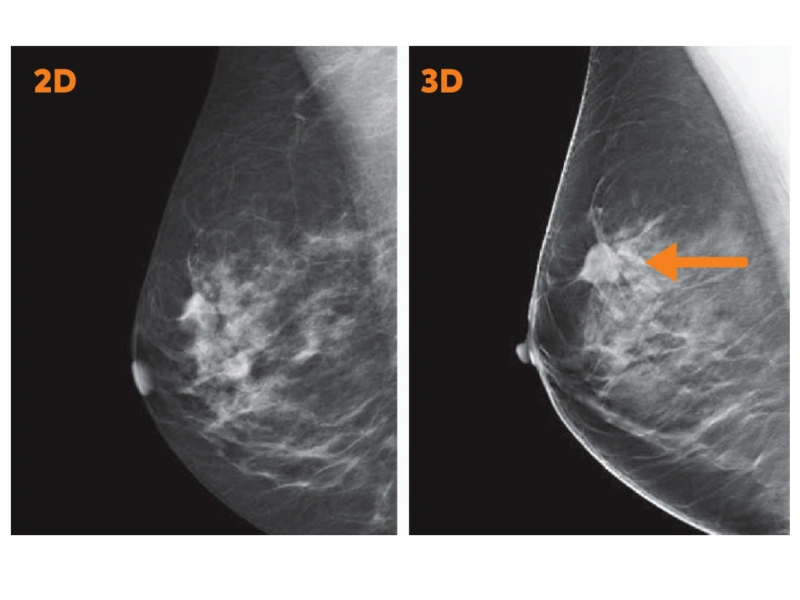
Dense breasts: Cancers can be hidden. 3D mammography (tomosynthesis) improves detection, but those with extremely dense breasts (highest breast density category) may need additional imaging such as breast ultrasound or contrast breast MRI may to increase the sensitivity of your cancer detection.
“Breast density is one of the most important factors influencing how well a mammogram can detect cancer. At Allevia Breast Imaging, every mammogram includes a breast density assessment, which is reported by the radiologist. The radiologist will inform you if your breasts are extremely dense and if you need additional imaging for screening.” says Sugania Reddy, Lead Radiologist – Breast Imaging. “Understanding your breast density gives you and your healthcare team the best chance of finding any changes early.”
Taking Charge of Your Health
If you are 40 or older, regular mammogram screening is one of the most effective steps you can take for early detection. Knowing your breast density helps determine if additional imaging is needed. This ensures a higher detection and greater peace of mind.
Sources:
Breast Cancer Foundation NZ (breastcancerfoundation.org.nz)
Breast Cancer Research Foundation (bcrf.org)
Volpara Breast Density Assessment
Dr Sugania Reddy, Lead Breast Radiologist, Allevia Radiology
Sonya Smyth, Clinical Operations Manager, Allevia Radiology
Alana McCathie, Mammography Clinical Lead, Allevia Radiology